Dry Season Advantages (December-March, June-September)
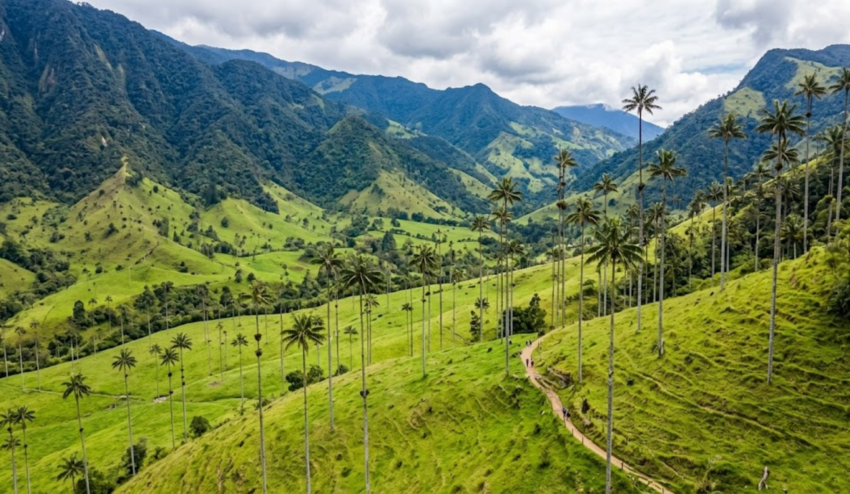
Importantly, timing your visit can significantly impact your experience. The dry season offers clearer skies, less muddy trails, and better visibility for photography. During these months, you’re more likely to enjoy sunny mornings and afternoon clouds that create dramatic lighting.
Additionally, dry season means more comfortable hiking conditions and lower chances of getting caught in heavy rain. However, this also means more tourists, so arriving early (before 9 AM) helps you avoid crowds.
Rainy Season Reality (April-May, October-November)
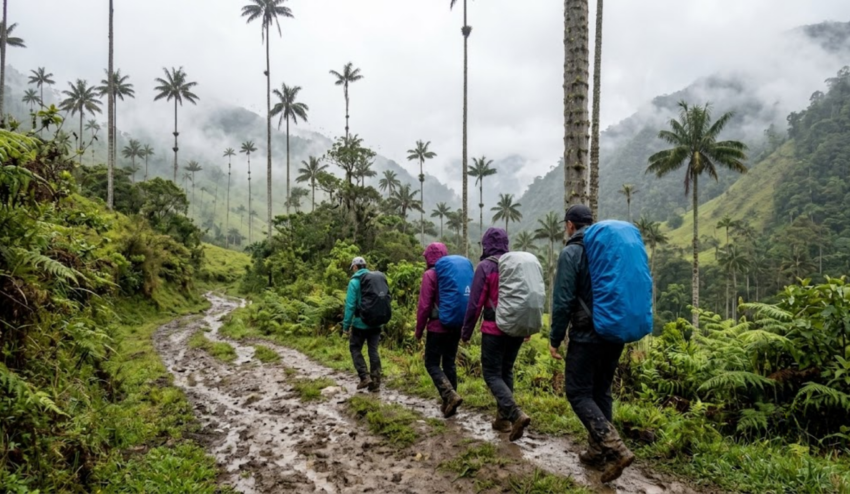
Conversely, visiting during rainy season has its own charms. The valley becomes incredibly lush and green, waterfalls flow stronger, and you’ll encounter far fewer tourists. Moreover, the misty atmosphere adds an ethereal quality to the palm trees that many photographers love.
However, you must come prepared with proper rain gear, waterproof hiking boots, and a positive attitude toward mud. Specifically, trails can become quite slippery, and afternoon rain is almost guaranteed. Therefore, start your hike as early as possible (7-8 AM) to maximize dry hiking time.
Daily Weather Patterns
Regardless of season, Cocora Valley’s high altitude means weather can change rapidly. Mornings typically offer the clearest conditions, while clouds roll in during early afternoon. That’s why we always recommend starting your hike before 9 AM for the best experience.